
Low Level Laser Therapy (LLLT) in Bangalore | Photobiomodulation at DSC, Indiranagar
Low-level laser therapy, also called photobiomodulation (PBM), uses laser light at specific wavelengths and very low power levels to stimulate the body’s natural healing process. It does not cut tissue. It does not heat the treatment site. There is no discomfort.
The effect is biological: cells exposed to low-level laser energy produce more ATP (cellular energy), respond to inflammation faster, and repair tissue more quickly. The clinical results include faster wound healing, reduced post-operative pain and swelling, and measurable relief from conditions such as mouth ulcers and TMJ inflammation.
At DSC, LLLT is delivered with the Fotona LightWalker Nd:YAG laser at dedicated photobiomodulation settings by Dr. Balasubramanya K V (MDS Periodontist, Fotona LightWalker Certified Operator, University of Vienna laser dentistry training) as part of post‑surgical protocols and as a standalone therapy where indicated.

What is photobiomodulation?
Photobiomodulation is the use of light, typically from a laser or LED, at specific wavelengths to produce a biological effect in tissue without heating or damaging it. The wavelength of 1064nm (Nd:YAG), used by the Fotona LightWalker for LLLT, penetrates several millimetres into soft tissue.
At the cellular level, the laser photons are absorbed by chromophores in the mitochondria, primarily cytochrome c oxidase. This absorption stimulates the mitochondrial electron transport chain, increasing ATP production. More ATP means more energy for cellular repair, inflammation resolution, and collagen synthesis.
The practical result: cells repair faster, inflammatory responses resolve more quickly, and pain perception is modulated through a direct effect on nerve sensitivity. LLLT does not replace the immune response; it accelerates it.
Clinical applications at DSC

- Post‑surgical healing:Applied at the end of laser gum and soft‑tissue procedures to reduce swelling and pain and speed mucosal healing.
- Mouth ulcers (recurrent aphthous stomatitis):A short LLLT session can give rapid pain relief and has been shown to cut healing time roughly in half in clinical studies.
- TMJ inflammation and jaw pain:A 4–6 session course over the TMJ and chewing muscles can significantly reduce pain and improve opening, used alongside splints and physiotherapy.
- Dentinal hypersensitivity:Combined Er:YAG plus Nd:YAG LLLT helps desensitise pulpal nerve endings and prolongs relief.
- Nerve paraesthesia recovery:Used along affected nerve paths after surgery or trauma to support nerve healing and shorten altered sensation.
- Post‑orthodontic pain:Optional use around the time of aligner change or wire adjustment to ease peak soreness.
The LLLT Procedure — What to Expect
LLLT is delivered in a short, comfortable appointment. There is nothing to fear and nothing to feel uncomfortable about.
- You sit in the dental chair. Protective eyewear is placed for both the patient and the clinical team as standard protocol for all laser procedures.
- The laser tip is held at or near the treatment site. The laser emits at very low power; you may feel a very mild warmth. Most patients feel nothing at all.
- Treatment time: 3–5 minutes for a small site (single ulcer, one TMJ joint). 10–15 minutes for a larger area (full arch post-surgical, bilateral TMJ).
- The appointment ends. No recovery time required. You can drive, work, and eat normally immediately.
For conditions requiring a course of treatment (e.g., TMJ inflammation or an ulcer prevention protocol), sessions are typically scheduled weekly for 4–6 weeks.

Recovery & Aftercare
LLLT has no downtime and no specific restrictions after treatment.
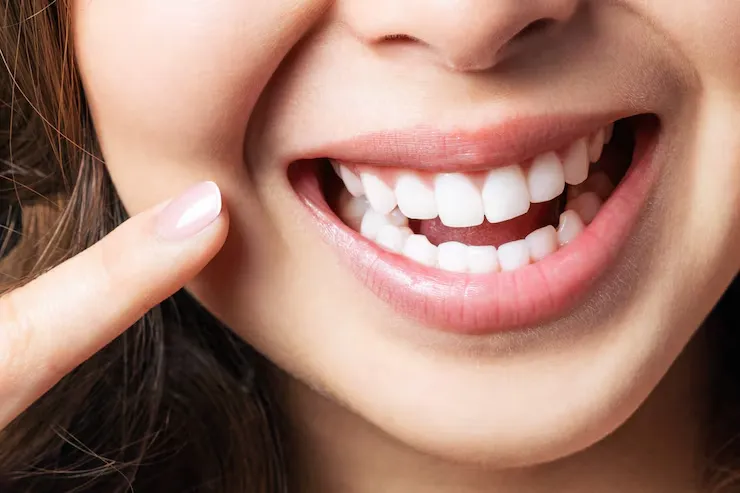
Mouth ulcers:
Continue normal diet and hygiene, but avoid known triggers (for example, SLS toothpaste, very acidic or sharp foods). A second session after 48–72 hours can extend pain relief for large or very painful ulcers.
TMJ courses:
Wear your occlusal splint as advised, attend every scheduled session so the effect can build, and avoid overloading the joint by chewing gum, eating hard foods, or opening wide during the course.
Post-surgical LLLT:
Simply follow the standard post-surgical instructions for your procedure; the LLLT itself does not add any additional aftercare requirements.
Frequently Asked Questions
What dental problems can LLLT help with?
At DSC, LLLT is used to speed healing after surgery, relieve painful mouth ulcers, reduce TMJ‑related jaw pain, ease post‑orthodontic discomfort, support nerve recovery, and help manage dentinal sensitivity.
Does LLLT hurt or require anaesthesia?
No. Treatment is non‑invasive and usually sensation‑free; most patients feel nothing or only mild warmth, and no injections or numbing are needed.
How long does an LLLT session take?
Most appointments take about 5–15 minutes, depending on whether a single small area (such as an ulcer) or a larger region (such as both TMJs or a post‑surgical site) is being treated.
How many sessions will I need?
Many ulcers or acute issues respond in one session, whereas TMJ pain, nerve recovery, or chronic problems are usually treated as a short course of 4–6 weekly sessions for the best, longer‑lasting results.
Is LLLT safe for children and pregnant patients?
Yes. At photobiomodulation power levels, LLLT does not heat or damage tissue and produces no ionising radiation, so it is considered safe for children and for pregnant patients when applied away from the abdomen.
Are there any side effects or downtime?
Side effects are rare at recommended doses, and there is no downtime — you can eat, work, and drive immediately after treatment.
Will LLLT replace my other treatments?
No. LLLT is used to enhance healing and comfort alongside your main dental treatment (such as surgery, splint therapy, or orthodontics), not as a stand‑alone cure for underlying structural problems.