
Laser desensitisation | tooth sensitivity treatment in Indiranagar, Bangalore
Tooth sensitivity is a daily problem for many people. Cold water, cold air, or sweet foods can cause a sharp, sudden pain that makes eating and drinking uncomfortable.
Desensitising toothpaste helps some people, but for many, the effect is limited. Laser desensitisation is the next step: a clinical procedure that targets sensitivity at its source and can keep symptoms reduced for months, not just days.
At DSC, laser desensitisation is performed by Dr. Ramya Balasubramanya (MDS Prosthodontist) using the Fotona LightWalker laser. There are no injections, no drilling, and the appointment is short and typically very comfortable.

What is laser desensitisation?
Laser desensitisation is a dental procedure that uses focused light energy to seal exposed dentinal tubules and calm the tooth nerve, reducing sensitivity to cold, air, and sweets.
Laser desensitisation works in two ways:
The Er:YAG setting helps partially seal the openings of the dentinal tubules, reducing the fluid movement that triggers pain.
The Nd:YAG setting penetrates deeper into the tooth and helps calm the nerve response, raising the pain threshold.
Together, these effects are usually stronger and longer-lasting than those of desensitising toothpaste or topical chemicals alone.
Who is it for?
Laser desensitisation is suitable for:
- Root surface sensitivity from gum recession, where cold air and cold water easily trigger pain.
- Sensitivity from enamel erosion due to an acidic diet or acid reflux, often affecting several teeth.
- Sensitivity after tooth preparation for crowns or veneers, when exposed dentine feels temporarily very sensitive.
- Sensitivity after deep scaling and root planing, where newly exposed root surfaces feel tender.
- Bruxism‑related sensitivity from grinding, which wears away enamel and uncovers dentine; laser helps control symptoms while the bite is treated, and a night guard is made.
- Patients who still struggle with sensitivity despite using desensitising toothpaste regularly.
Step by step: laser desensitisation procedure

Consultation and diagnosis
- The dentist discusses your symptoms, triggers (cold, air, sweets), and medical history.
- Teeth and gums are examined to confirm dentine hypersensitivity and rule out decay, cracks, or infection.

Identify the sensitive teeth
- Specific teeth are tested gently with air, cold, or a probe to locate the exact sensitive areas.
- A sensitivity score (for example, a 0–10 scale) may be recorded for each site as a baseline.

Clean the tooth surfaces
- Plaque on the necks of the affected teeth is removed with a brush, rubber cup, or wet gauze so the laser can work directly on clean dentine.
- The area is dried lightly, without using very cold air.

Eye protection and laser setup
- You and the clinical team wear protective laser glasses.
- The Fotona LightWalker is set to a low, sub‑ablative Er:YAG and Nd:YAG protocol designed for tooth desensitisation, not cutting.

Laser application on each sensitive area
- The handpiece is positioned a short distance from the tooth and moved slowly along the sensitive neck/root area, following the gum line.
- Each site is exposed for around 30–60 seconds, usually in a few slow passes with slight overlap, so the whole sensitive zone is covered.
- You may feel mild warmth or tingling, but no drilling, vibration, or sharp pain.

Immediate sensitivity check
- The dentist gently tests the area again with a mild air stream or cold stimulus (not at full strength) to see how much the sensitivity has reduced.
- Additional passes can be done in the same visit if some sensitivity remains.

Review and possible retreatment
- Sensitivity is usually reassessed at a follow‑up visit or if symptoms return.
- If needed, the laser session can be repeated after some weeks or months; no tooth structure is removed, so retreatment is simple.
- No downtime; you can return to normal activities right away.
- Avoid very hot or very cold drinks for the first 24 hours.
- Continue brushing with a fluoride toothpaste, which supports long‑term enamel and dentine protection.
- If your sensitivity is linked to recession, follow up with your periodontist to discuss gum grafting or other options.
- If grinding is the cause, arrange a night guard to protect teeth and maintain the laser result.
- Contact the clinic if you notice unusual or increasing pain, as this is not expected after desensitisation.
Recovery and aftercare

Why choose DSC for laser desensitisation?
Advanced Fotona LightWalker technology
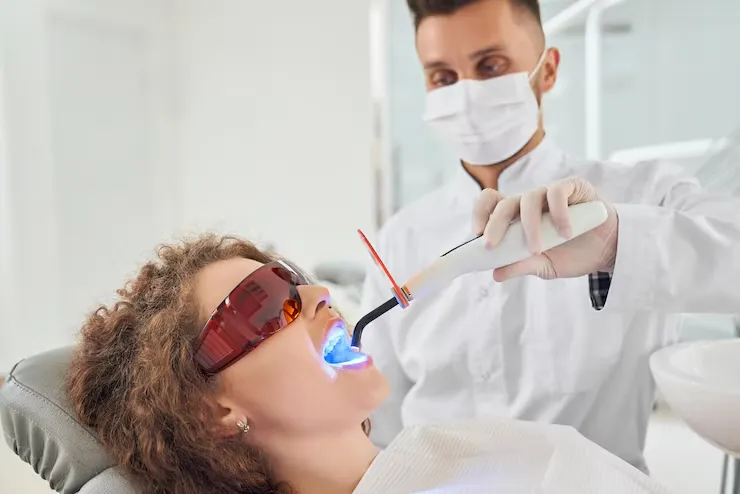
DSC uses the dual‑wavelength Fotona LightWalker system, designed specifically for tooth desensitisation and minimally invasive dentistry. The Er:YAG and Nd:YAG combination allows the dentist to act on both the dentinal tubules and the nerve response, providing longer-lasting relief.
Minimally invasive, comfort first approach
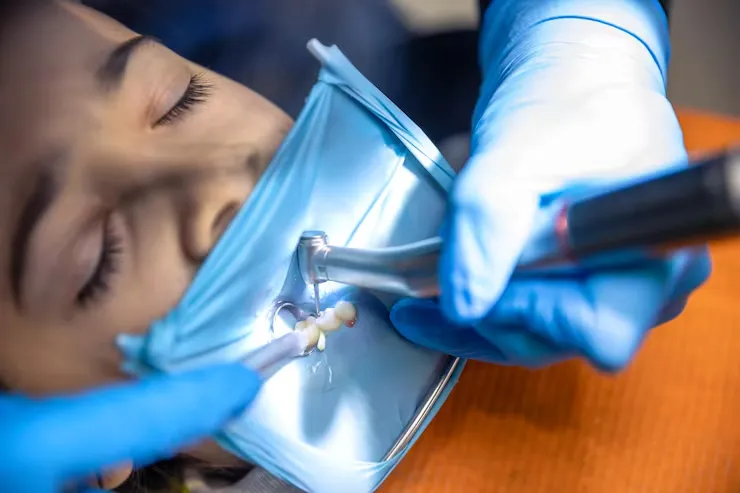
The protocol is performed at sub‑ablative settings, with no drilling and usually no injections, making it comfortable even for anxious patients. Most people describe only mild warmth during treatment and can return to normal activities immediately.
Specialist planning around the cause
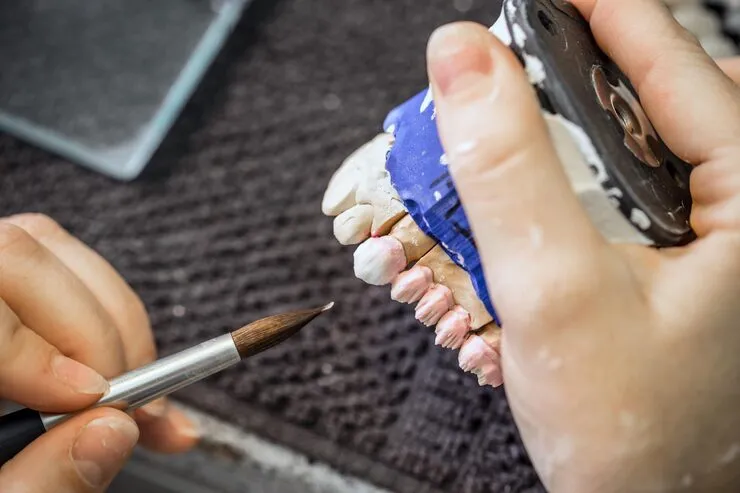
At DSC, laser desensitisation is not done in isolation; the team evaluates erosion, recession, grinding, and bite issues and builds the laser session into a broader plan that targets the actual cause of sensitivity, not just the symptom. This helps the result last longer and protects the teeth over time.
Evidence based use of laser protocols
The clinic follows research-backed laser settings and indications for dentine hypersensitivity, aligning with published data showing lasers can provide faster and more durable relief than many topical agents in suitable cases. Where a laser is not the best option, alternative or additional treatments are discussed transparently.
Laser Desensitisation Cost in Bangalore
The cost of laser desensitisation depends on the number of teeth treated. Generally, ranges between ₹2,000 – ₹5,000 per tooth.
You will receive a written cost estimate before treatment begins.
Frequently Asked Questions
Does laser desensitisation hurt?
Most patients feel only mild warmth or tingling during treatment; it is typically done without injections and is much more comfortable than drilling.
When will I notice improvement?
Some patients feel relief immediately, while most notice clear improvement within 24–48 hours as the treated tubules seal and the nerve response settles.
Is laser treatment safe for my teeth and gums?
When used with appropriate settings and protocols, dental lasers such as the Fotona LightWalker are considered safe and well-tolerated for managing dentine hypersensitivity.
Does it replace other treatments like night guards or gum grafts?
No. Laser desensitisation controls the symptom (sensitivity) but does not stop recession, grinding, or acid erosion, so supporting treatments like night guards or periodontal care may still be needed.
Can it be combined with fluoride or other desensitisers?
Yes. Using fluoride varnish or desensitising agents together with laser has been shown to enhance the effect in some studies.