
Digital Smile Design (DSD) — See Your New Smile Before Treatment Begins, in Bangalore
Many patients who were unhappy with past cosmetic work did not have a way to see or influence the planned result before treatment was done. They ended up with teeth that were a little too white, shapes that did not suit their face, or a smile that looked “done” rather than naturally improved. The problem was not always the clinical technique, but the lack of a clear visual preview and patient input before irreversible steps were taken.
Digital Smile Design changes this. Before any tooth is prepared, your new smile is designed on screen — mapped to your facial proportions, lip line, and tooth display — and shown as an overlay on your own photographs so you can see, discuss, and adjust it. That design is then transferred into a removable composite “trial smile” you wear in real life before any permanent work starts.
At Dental Solutions Clinic in Indiranagar, Bangalore, DSD is led by specialist Prosthodontist and Certified DSD Practitioner Dr. Ramya Balasubramanya (MDS, BDS Gold Medallist), who was trained by DSD founder Christian Coachman. She has been planning smiles with this protocol for patients from Bangalore, across India, and overseas for over a decade.

What is Digital Smile Design?
DSD, developed by Brazilian dentist Dr. Christian Coachman, brings structured facial analysis into smile planning. Instead of designing teeth only from impressions and shade notes, DSD uses calibrated photos and software to relate tooth length, width, midline, and gum levels to your eyes, lips, and facial proportions.
The key principle is simple: the smile must be designed relative to the face, not in isolation. DSD gives the patient, dentist, and technician a shared visual plan, reducing guesswork and miscommunication. Published reports and clinical experience show that DSD planned cases tend to have higher patient satisfaction and fewer post-treatment adjustments because the aesthetic decisions are made and refined before any irreversible treatment.
Who Is Digital Smile Design For?
At Dental Solutions Clinic, DSD is the planning protocol for any case in which the final appearance of multiple front teeth is important. It is especially helpful for:
- Patients considering 4, 6, 8, or more veneers.
- Smile makeover plans combining whitening, veneers, bonding, and gum contouring.
- Full-mouth rehabilitation where both function and appearance need to be rebuilt.
- Patients who were unhappy with previous cosmetic dentistry and want more control this time.
- Brides, professionals, performers, and others for whom the smile change has particular personal or professional importance.
- International patients who want to review and approve the design before travelling.
- Anyone who wants to see a realistic preview of their result before deciding on treatment.
The DSD Process — Step by Step

Facial photographs and smile video
High-quality, standardised photos of your face and teeth, plus a short smile video, are taken to capture both static and dynamic aspects of your smile.

Digital smile analysis
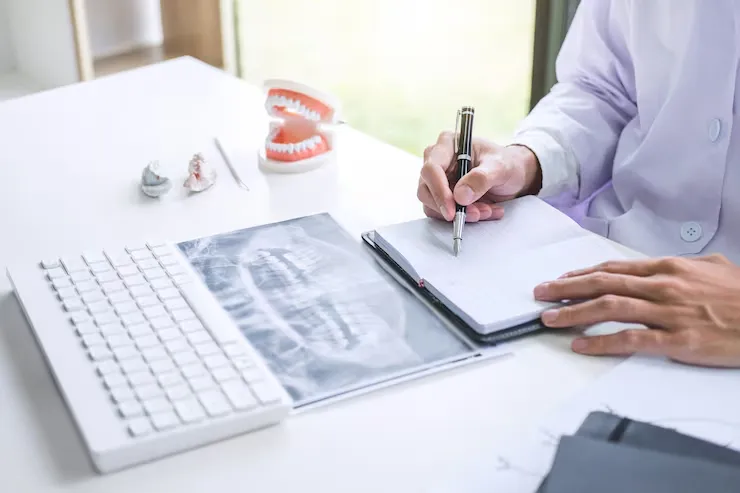
Using DSD software, Dr. Ramya maps facial midline, horizontal reference lines, lip frame, tooth display, and gum levels, then derives ideal tooth proportions that harmonise with your face rather than relying on guesswork.

Digital design presentation
The proposed smile is overlaid on your own photos and presented at a design consultation. You see your “new teeth” on your face, discuss length, shape, shade, and gum changes, and request refinements until you are comfortable with the plan.
Laboratory wax up
The approved digital design is sent to the lab, which creates a 3D wax model of the planned teeth. This serves as the physical template for the mock-up and final ceramics.

Trial smile (composite mock-up)
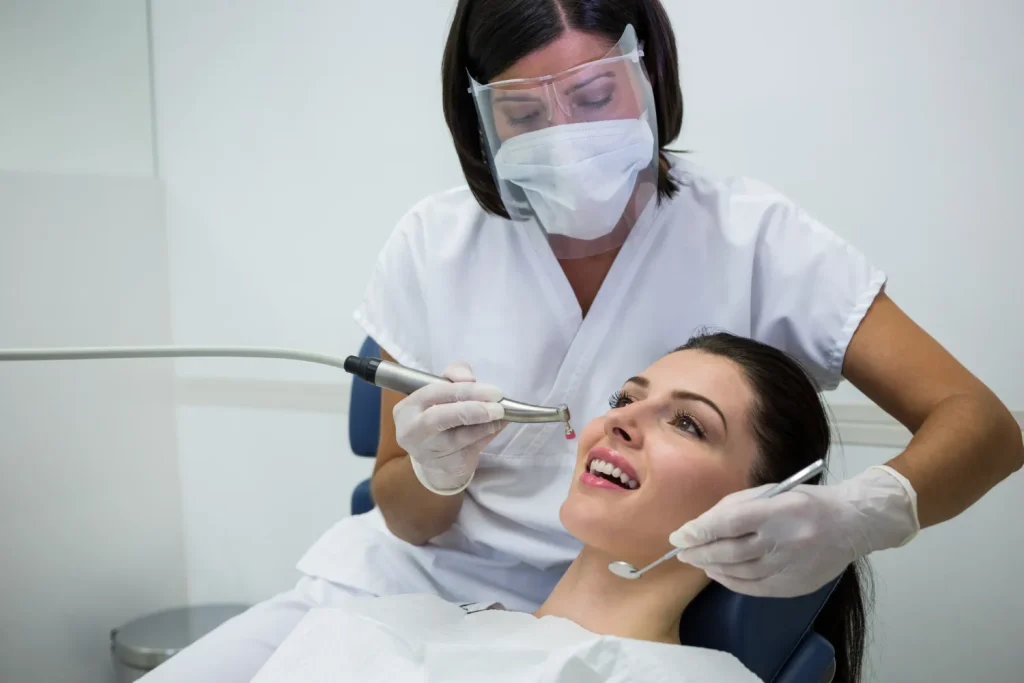
The wax-up is transferred to your mouth as a temporary composite layer over your existing teeth, without drilling or injections. You wear this trial smile for several days to a couple of weeks, see it in different lights, show friends or family, and request tweaks while everything is still reversible.

Approval and definitive treatment
Once you approve the trial smile, it becomes the guide for any necessary tooth preparation. Digital scans are taken, temporary restorations mirror the mock-up, and the final e.max or zirconia restorations are fabricated to match the approved design as closely as possible.
What DSD Delivers

Predictability
You see and test drive the planned result before any permanent work, greatly reducing the chance of “this isn’t what I expected.”
Proportion
Tooth shapes and lengths are calibrated to your facial features using digital reference lines and smile design principles, so the result looks naturally integrated, not generic.
Clear communication
The same design guides you, the dentist, and the lab, which improves accuracy and typically reduces chair-side adjustments and remakes.
Confidence
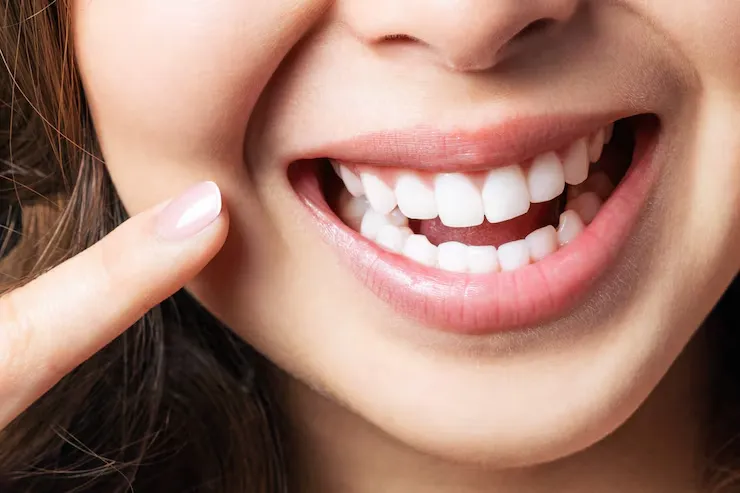
By the time the final restorations are fitted, you have already lived with a very similar version in composite, so the outcome feels familiar rather than a surprise.
How Dental Solutions Clinic Uses DSD

Certified DSD practitioner
Dr. Ramya is formally trained and certified in the DSD protocol rather than self taught, ensuring the method is applied as intended.

Standardised photography and digital workflow
Every DSD case uses consistent photo protocols, Primescan digital impressions, and CAD/CAM ceramics to keep all stages in a precise digital chain.

Close lab coordination
Digital design files and scans are sent directly to the lab; wax-ups are checked against the design before mock-ups, so issues are resolved early.

Remote DSD for travellers
For international patients, an initial design can be created from sent-in photographs, reviewed over video, and then completed with mock-ups and final restorations in a single, carefully scheduled visit.
Frequently Asked Questions
What happens at the first DSD appointment?
We only take records: standardised photos, a short video, and any necessary scans. No drilling or treatment is done. Your digital design is prepared from these records and shown at a follow-up consultation.
Can I change the design after I see it?
Yes. Length, shape, shade, and gum changes can all be adjusted during the design review and again during the trial smile phase, before anything permanent is done.
How long does the full DSD & veneer process take?
For straightforward veneer cases, expect about 4–6 weeks from the first photos to final bonding, depending on scheduling and whether any extra procedures, such as whitening or gum contouring, are included.
Is the trial smile comfortable?
The mock-up sits over your own teeth without drilling, so most people adapt within a day. If any tooth feels high or rough, it is adjusted easily at the review visit.
Can DSD fix a result I’m unhappy with from previous veneers?
Often yes. DSD helps diagnose exactly what looked wrong (length, shade, midline, gum line), then designs a corrected version that you can see digitally and in a trial smile before replacing or modifying existing work.
Is DSD only for veneers?
No. It is used for veneers, crowns, implant-supported front restorations, smile makeovers, and full-mouth rehabilitations where front-tooth aesthetics are important. For small single tooth repairs, a full DSD protocol is usually not necessary.