
Bruxism | teeth grinding, jaw clenching and treatment in Indiranagar, Bangalore
Bruxism is the involuntary clenching or grinding of teeth, most often during sleep, that exceeds normal chewing forces. Because it usually happens unconsciously at night, many people are unaware of it until they notice worn, shortened teeth, morning jaw pain, or a partner reports grinding noises.
At Dental Solutions Clinic in Indiranagar, Bangalore, bruxism is assessed and managed by Dr. Ramya Balasubramanya — MDS Prosthodontics, BDS Gold Medallist, Certified Digital Smile Design Practitioner — with specialist training in diagnosing bite‑related problems, restoring worn teeth, and designing precise protective bite splints. When grinding has also affected the gums or bone (for example, notches at the neck of the tooth or recession), periodontal care is coordinated by Dr. Balasubramanya K V within the same clinic.

What is bruxism?
Bruxism is the medical term for grinding, clenching, or gnashing your teeth, either while asleep (sleep bruxism) or when awake (awake bruxism).
Sleep bruxism tends to be more damaging to teeth because the forces generated during sleep are not consciously controlled and can be many times stronger than normal chewing.
Awake bruxism is often linked with stress and is more likely to cause jaw muscle fatigue and TMJ symptoms rather than severe tooth wear.
Bruxism can occur on its own or as part of other conditions. It is often associated with stress and anxiety, certain medicines (particularly some antidepressants and stimulants), neurological conditions, and sleep‑related breathing problems such as obstructive sleep apnoea (OSA). Because bruxism and OSA frequently occur together, patients with significant night‑time grinding are routinely screened for possible sleep apnoea so that both problems can be addressed if needed.
Common causes and risk factors
Bite issues often present as indirect symptoms. You may notice the effects before you realise your bite is the cause:
Stress and anxiety
Stress is one of the strongest triggers for bruxism. Many people grind more during difficult periods at work or in their personal lives, and less when stress levels fall. Stress reduction strategies can reduce grinding intensity but usually need to be combined with dental protection.
2. Obstructive sleep apnoea (OSA)
Interrupted breathing during sleep and frequent brief arousals are closely linked with increased grinding and clenching. In some people, treating OSA (for example, with CPAP or a mandibular advancement device) helps reduce bruxism episodes.
3. Medicines and substances
Certain antidepressants (for example, some SSRIs and SNRIs), ADHD medications, and recreational stimulants can increase bruxism in susceptible people. High caffeine intake and alcohol, especially in the evening, are also associated with more frequent sleep bruxism.
4. Bite factors
An uneven bite or high spots on fillings or crowns do not always “cause” bruxism, but they can keep the jaw muscles searching for a comfortable position and worsen grinding in some patients. Careful bite adjustment can help when these issues are present.
5. Family tendency (genetics)
Bruxism tends to run in families. If a parent grinds heavily, their children have a higher than average chance of developing sleep bruxism and may benefit from early screening and protection.
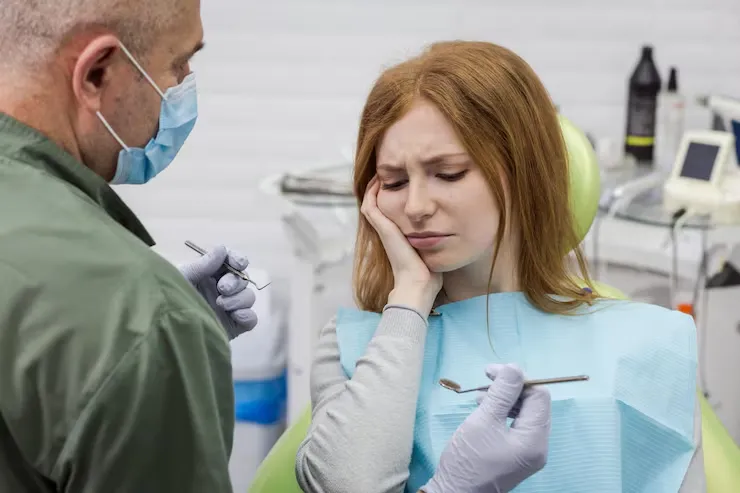
- Teeth that look flatter, shorter, or chipped at the edges
- Generalised sensitivity or discomfort in several teeth, especially on waking
- Morning jaw muscle ache, stiffness, or headaches in the temples
- Your partner reports grinding or clicking sounds at night
- Cracked or repeatedly broken fillings or crowns
New or worsening jaw joint clicking, soreness, or limited opening
How we diagnose bruxism at Dental Solutions Clinic
At DSC, diagnosis focuses on both teeth and muscles:
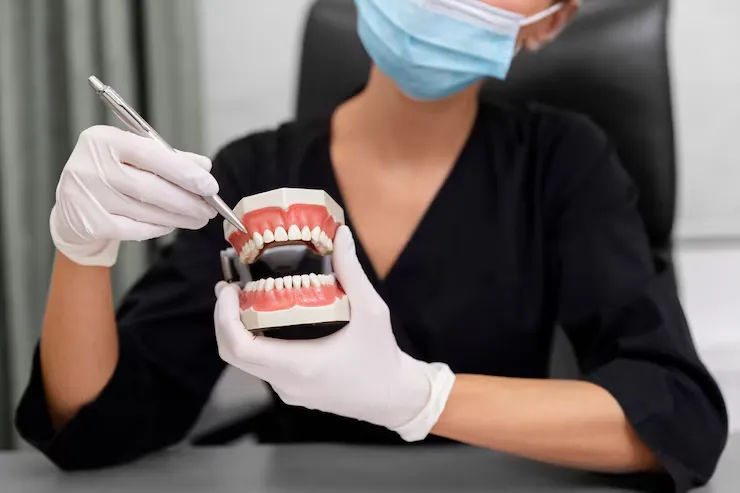
Tooth wear pattern
We examine which teeth are worn, how severely, and whether the wear facets match between upper and lower teeth — a classic sign of grinding.

Wear severity scoring
Tooth wear is scored using standard indices to establish a clear baseline for monitoring and planning restorative work, if needed.
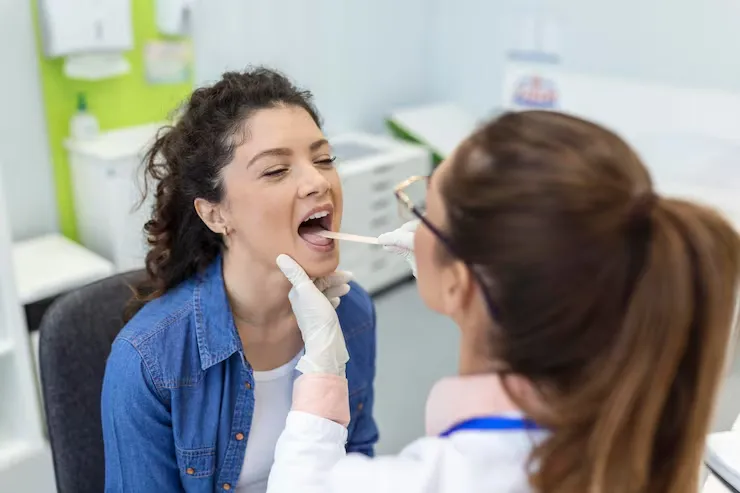
Muscle and joint exam
We gently press on the masseter and temporalis muscles to check for tenderness and enlargement, and assess the TMJ for pain or clicking on movement.
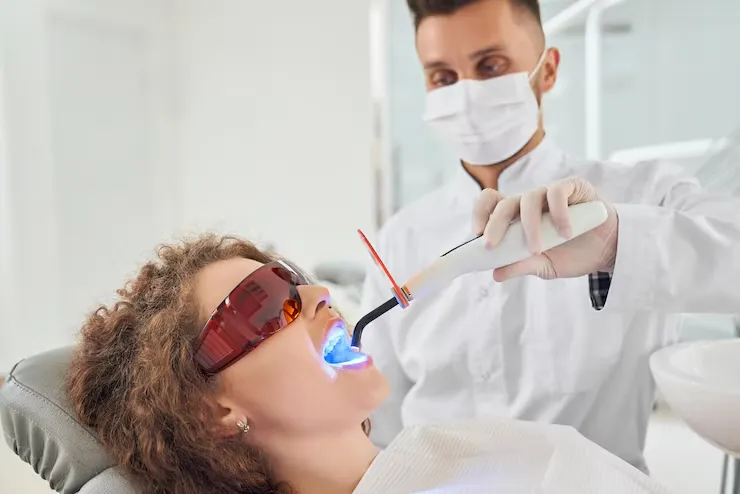
Bite and support analysis
We look at how your teeth meet, whether any back teeth are missing, and whether certain teeth are receiving more force than others.

Digital photos and scans
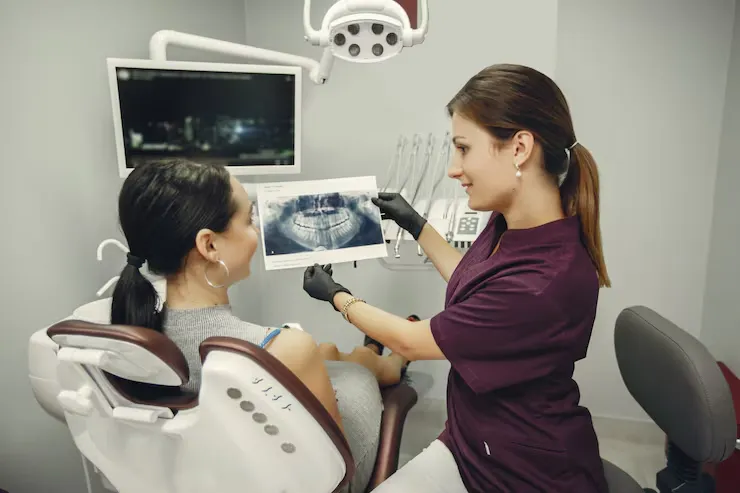
Intraoral photos and a Planmeca digital scan document the current wear and are used to design a precise, well‑fitting night guard.
Sleep apnoea screening
Simple questionnaires (such as STOP-BANG) are used to screen for OSA risk; high-risk patients are referred for a sleep study before finalising the long-term plan.
Treatment options for bruxism

Custom occlusal splint (night guard) — core treatment
A custom‑made night guard worn over the upper or lower teeth separates the arches so they cannot grind directly against each other. It spreads forces more evenly, helps the jaw muscles relax, and protects teeth, fillings, and the TMJ from overload. While a splint does not “cure” bruxism, it is the most reliable way to prevent further damage while other contributing factors are addressed.

Restoring worn teeth and collapsed bites
If grinding has significantly shortened or weakened teeth, they may need to be rebuilt with composite bonding, onlays, or crowns at an appropriate bite height so you can chew comfortably again. This type of restorative work is carefully planned and always combined with ongoing splint use to protect the new restorations.

Botulinum toxin for strong clenchers
For severe clenching with very prominent, overactive jaw muscles and persistent pain, small, targeted doses of botulinum toxin in the masseter muscles can reduce biting force for several months. This is typically used alongside a night guard in selected patients.

Managing sleep apnoea and medical factors
If a sleep study confirms OSA, treatment (such as CPAP or a mandibular advancement device) can reduce arousals and often reduce bruxism episodes as well. Where medicines are suspected triggers, we may liaise with your doctor about possible adjustments.

Stress and lifestyle changes
Cutting back on caffeine (especially later in the day), reducing alcohol intake, and using stress-management approaches (such as CBT, relaxation, or biofeedback) can reduce grinding intensity. These steps work best in combination with a protective splint rather than as a standalone treatment.
Frequently Asked Questions
How do I know if I grind my teeth at night?
Signs include flat or worn teeth, morning jaw or temple pain, headaches, tooth sensitivity, cracked fillings, and a partner hearing you grind your teeth while you sleep.
Does teeth grinding always cause stress?
Stress is a major trigger, but bruxism can also be linked with sleep apnoea, certain medicines, bite issues, and family tendency. Often, several factors act together.
Can bruxism damage my teeth and jaw?
Yes. Untreated bruxism can lead to worn or fractured teeth, loose fillings or crowns, jaw and facial pain, tension‑type headaches, and TMJ (jaw joint) problems.
Do children grind their teeth, too?
Many children grind at some stage, often during growth or when new teeth are coming through, and most outgrow it without long‑term damage. A dentist should still check for persistent, loud grinding or signs of wear.
Will a night guard stop me from grinding my teeth?
A night guard does not usually stop the grinding itself, but it creates a barrier between the teeth, spreads the forces, protects enamel and restorations, and can reduce jaw muscle strain.
Is a custom night guard better than a store bought one?
Custom guards are made to fit your bite precisely, are usually more comfortable, and protect teeth and joints more effectively than generic, over‑the‑counter devices.
Can bruxism be cured?
There is no simple “cure,” but bruxism can be well controlled. Protecting the teeth with a splint, addressing stress, adjusting medicines when possible, and treating sleep apnoea if present can greatly reduce symptoms and damage.