
What is Frenectomy for Lip-tie and its benefits
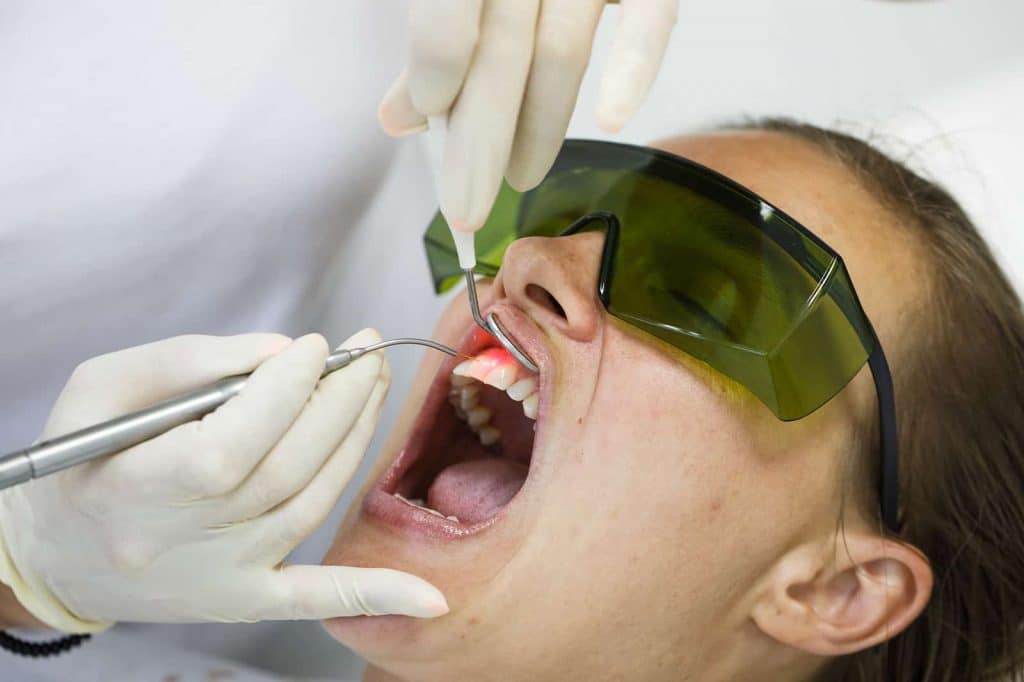
Frenectomy for lip-tie is a procedure of releasing the frenum under the tongue or upper lip to allow for better range of motion. Children may be born with a condition called a lip-tie causing difficulty with breastfeeding, and in some instances, other problems like teeth spacing, speech, airway difficulties, and digestive issues. These issues can be corrected by a simple procedure using a soft tissue laser.
What happens if Lip-tie is not corrected with Frenectomy
- Creates spacing between the maxillary central incisors, a large gap can form called a diastema
- Difficulties with brushing and flossing
- Difficulties in self-cleansing.
- Repeated trauma to the maxillary frenum because it is so low and prominent
- Pain with breastfeeding
- Inability to adequately flange the maxillary lip upward during breastfeeding, affecting an infant’s latch and ability to create a good seal
How is Frenectomy procedure for Lip-tie performed?
Frenectomy for lip-tie can be performed by four major techniques- Simple excision using steel scalpels with a dissection of muscle from periosteum and reapproximation of the wound.
- The Z-plasty technique, which is an extension of the simple excision.
- A localized vestibuloplasty, with secondary epithelialization of the wound.
- A soft tissue laser-assisted technique.
Laser Assisted Frenectomy for Lip-tie
The soft-tissue procedure is performed with a dual approach (Er:YAG and Super-Pulsed CO2), where the potential for thermal damage is greatly reduced and provides a wider window of available working time. This is due to the special properties and photobiology of the Er: YAG laser and tissue interaction. The addition of the Er:YAG laser, the dental surgeon is presented with a less stressful and more beneficial treatment protocol for soft-tissue excisional procedures. [vc_row][vc_column][vc_video link=”https://www.youtube.com/watch?v=p92IXfP_yL0″][vc_column_text]Advantages of Laser-Assisted Frenectomy
- A soft tissue laser vaporizes the tissue using light energy and does NOT cut
- There is little or no pain with the use of a laser. Some babies and children sleep through the procedure.
- There is nearly no bleeding from the laser procedure.
- Lasers sterilize at touch, therefore, have less risk of infection.
- The healing is quick – a laser stimulates bio-regeneration and healing.
- The result is a beautiful tissue, less chance of relapse.