
How CBCT Scans Are Improving Dental Implant Success Rates
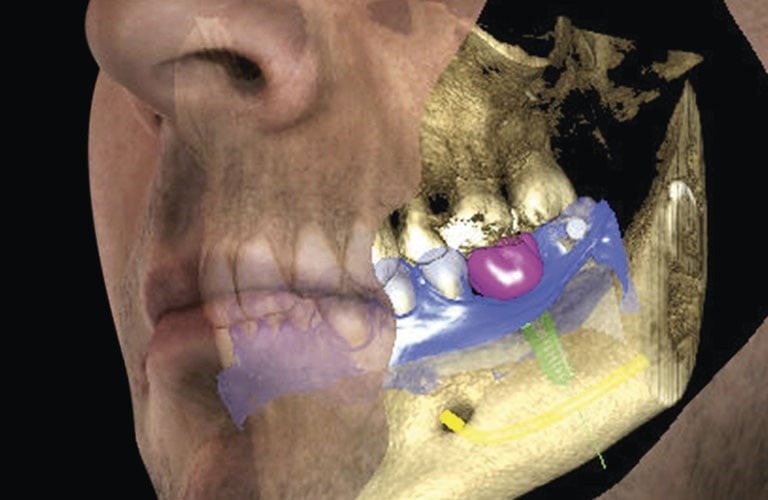
Dental implant procedures have come a long way, thanks to advancements in imaging technology. One of the biggest game-changers in implant dentistry is Cone Beam Computed Tomography (CBCT) scanning. This advanced imaging technique is significantly improving the precision, safety, and success rates of dental implants. Let’s explore how CBCT scans are revolutionizing implant dentistry.
What Is a CBCT Scan?
CBCT, or Cone Beam Computed Tomography, is a specialized 3D imaging technology that provides detailed and accurate views of the teeth, jawbone, nerves, and surrounding structures. Unlike traditional 2D X-rays, CBCT scans offer a three-dimensional perspective, allowing for precise planning and execution of dental implant procedures.
Benefits of CBCT Scans in Dental Implant Placement
- Enhanced Treatment Planning
CBCT scans give dentists a highly detailed 3D image of the patient’s oral structures. This allows for:
- Accurate assessment of bone density and volume.
- Precise measurement of available space for the implant.
- Identification of potential complications before surgery.
- Higher Implant Success Rates
One of the leading causes of implant failure is improper placement. CBCT scans reduce this risk by ensuring that:
- The implant is positioned in the most optimal location.
- It avoids nerve damage and sinus complications.
- The implant integrates properly with the jawbone for long-term stability.
- Minimally Invasive Procedures
With precise imaging, dentists can perform minimally invasive surgeries, reducing:
- Incision size.
- Post-operative pain and swelling.
- Healing time and recovery period.
- Improved Safety & Risk Management
CBCT scans help in identifying:
- The exact location of nerves, sinuses, and blood vessels.
- Bone defects or hidden abnormalities.
- The need for additional procedures like bone grafting before implantation.
- Customized Implant Placement
Since every patient’s oral anatomy is different, CBCT technology enables customized implant solutions tailored to the individual’s needs. This means better fitting, longer-lasting, and more natural-looking dental implants.
How CBCT Scans Compare to Traditional X-Rays
Feature | CBCT Scan | Traditional X-Ray |
Image Type | 3D | 2D |
Accuracy | Highly detailed | Limited details |
Bone & Tissue Visibility | Excellent | Limited |
Implant Planning | Precise | Less precise |
Radiation Exposure | Low | Lower |
Frequently Asked Questions (FAQs)
- Is a CBCT scan necessary for all dental implant procedures?
While not always mandatory, CBCT scans provide a higher level of precision and safety, making them highly recommended for implant placement, especially in complex cases.
- Is a CBCT scan safe?
Yes, CBCT scans use low-dose radiation and are considered safe for most patients. The benefits of precise implant planning far outweigh the minimal exposure risk.
- How long does a CBCT scan take?
The scan itself takes only about 10-40 seconds, and the results are available immediately for your dentist to review.
- Does a CBCT scan hurt?
No, the scan is completely painless. You simply sit or stand still while the machine captures images of your oral structures.
- How much does a CBCT scan cost?
The cost varies depending on location and provider, but it typically ranges from $150 to $500. Some dental insurance plans may cover it as part of implant treatment.
- Can a CBCT scan detect other dental issues?
Yes! CBCT scans can reveal hidden infections, bone loss, cysts, and even early signs of TMJ disorders, making them a valuable diagnostic tool beyond implants.
CBCT scans have revolutionized dental implantology, making procedures more predictable, safer, and successful. If you’re considering dental implants, choosing a dentist who uses CBCT technology can significantly improve your chances of a long-lasting, well-placed implant. This cutting-edge imaging tool ensures that you get a beautiful, functional smile with minimal risks and faster healing times.
Are you considering dental implants? Schedule a consultation today and experience the benefits of CBCT-guided implant placement!