
Leukoplakia Treatment in Bangalore | Laser Dentistry at Dental Solutions Clinic
Leukoplakia is a common oral condition characterized by persistent white patches inside the mouth that cannot be scraped off. While many cases are benign, some carry a risk of malignant transformation. At Dental Solutions Clinic, Indiranagar, Bangalore, our oral specialists use advanced diode and Er:YAG laser technology to treat leukoplakia with precision, minimal discomfort, and faster healing compared to conventional surgical excision.

What is Leukoplakia?
Leukoplakia is defined as a white patch or plaque in the oral cavity that cannot be clinically or pathologically identified as another disease. It is considered a potentially malignant disorder, meaning it has a higher likelihood of developing into oral cancer if left untreated. Laser therapy allows targeted removal of affected tissue while preserving surrounding healthy mucosa, reducing recurrence and improving patient comfort.
Who needs Leukoplakia Treatment?

Patients with persistent white patches that do not resolve with routine care.
Individuals with speckled or mixed red‑white lesions (non‑homogeneous leukoplakia) that carry higher malignant potential.
Patients with lesions on high‑risk sites such as the tongue, floor of mouth, or buccal mucosa.
Those experiencing recurrent irritation, burning, or discomfort from leukoplakia patches.
Individuals seeking minimally invasive treatment with reduced bleeding and faster recovery.
The procedure – step by step

Clinical Assessment and Diagnosis
A thorough oral examination is performed, often supported by biopsy or imaging, to confirm leukoplakia and rule out other conditions. Lesion size, site, and type are documented for treatment planning.

Local Anaesthetic
The affected area is numbed to ensure patient comfort. Laser procedures typically require only local infiltration, avoiding the need for extensive surgical incisions.

Laser Excision or Ablation
The dental laser precisely removes or vaporizes the leukoplakia patch. Diseased tissue is eliminated while surrounding healthy mucosa is preserved. The laser also sterilizes the area, reducing bacterial load and recurrence risk.
Healing and Follow‑Up
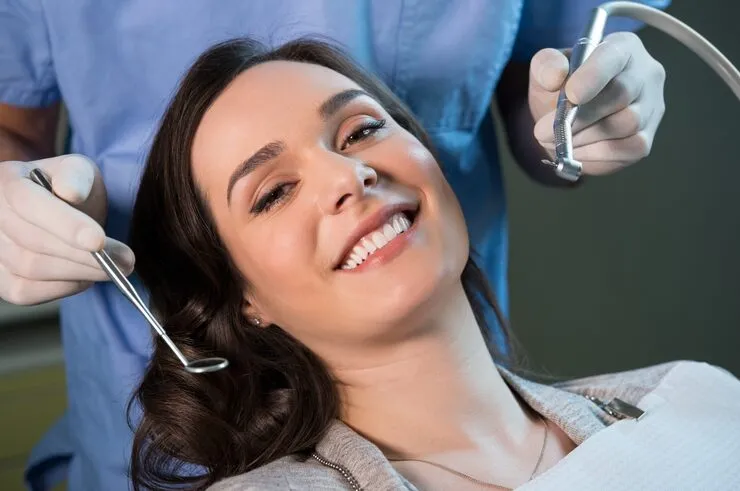
Healing is rapid, with minimal scarring compared to scalpel excision. Patients are reviewed periodically to monitor tissue stability and ensure no recurrence or malignant transformation.
Mild tenderness for 24–48 hours, managed with prescribed medication.
Soft diet for 2–3 days after treatment.
Warm saltwater rinses three times daily for one week.
Avoid smoking and alcohol, as they increase recurrence risk.
Regular follow‑up visits are essential to monitor healing and prevent malignant changes.
Recovery and aftercare
Why choose DSC for Leukoplakia?

Advanced Laser Technology
We use diode and Er:YAG lasers for precise excision of leukoplakia patches. This ensures minimal trauma, reduced bleeding, and faster recovery compared to conventional surgery.

Accurate Diagnosis and Planning
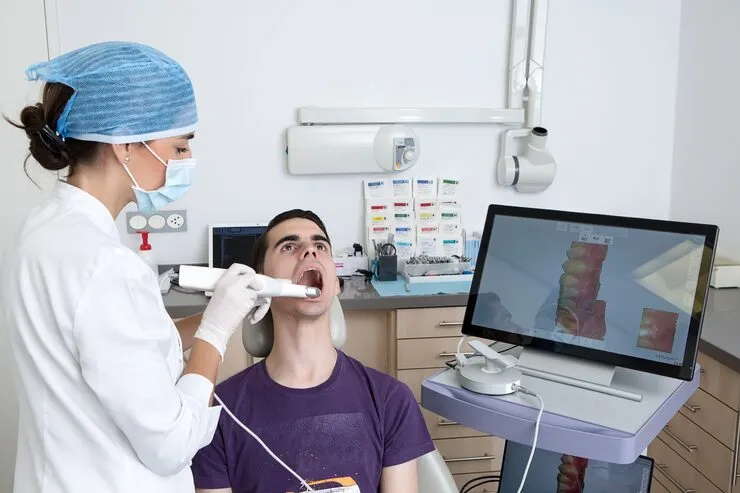
Every case is carefully assessed with clinical examination, biopsy, and imaging when required. This ensures correct diagnosis and tailored treatment planning for each patient.
Experienced Oral Specialists
At DSC, leukoplakia treatment is performed by our oral medicine and periodontology specialists, led by Dr. Balasubramanya K V, a certified laser dentistry expert with extensive experience in managing oral precancerous lesions.
Long‑Term Monitoring and Care
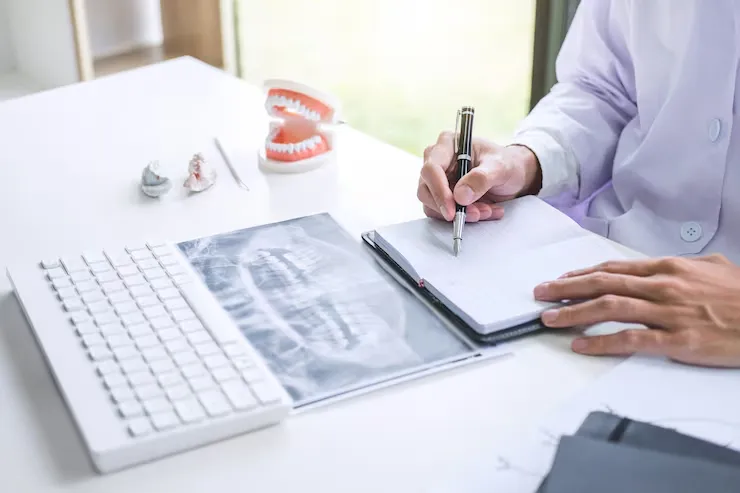
Treatment is followed by structured recall visits to monitor healing and detect any recurrence early. This integrated approach ensures both immediate relief and long‑term safety.
Leukoplakia Treatment Cost in Bangalore
The cost of leukoplakia treatment depends on the size, site, and complexity of the lesion, as well as the need for biopsy or additional procedures.
₹5,000 – ₹20,000
A detailed, itemized treatment plan is provided after evaluation, based on the extent of tissue involvement and number of sessions required.
Frequently Asked Questions
Is leukoplakia always cancerous?
No. Most leukoplakia patches are benign, but some carry a risk of malignant transformation. Regular monitoring and timely treatment reduce this risk significantly.
Is laser treatment painful?
No. The procedure is performed under local anaesthetic, and most patients report minimal discomfort. Healing is faster and less painful compared to scalpel excision.
How long does recovery take?
Healing usually occurs within 1–2 weeks. Patients can resume normal activities quickly, though follow‑up visits are essential to monitor tissue stability.
Can leukoplakia come back after treatment?
Yes, recurrence is possible, especially if risk factors such as smoking or alcohol use continue. Regular check‑ups help detect and manage recurrence early.
Is laser better than conventional surgery?
Yes. Laser excision is less invasive, causes minimal bleeding, and promotes faster healing. It also reduces scarring and recurrence compared to traditional methods.