
Crown Lengthening in Bangalore | Laser & Surgical Gum Repositioning at DSC
Crown lengthening is a laser‑assisted or surgical procedure that exposes more of your tooth by moving the gum line down and, in some cases, gently reshaping a small amount of bone. It reveals tooth structure that was previously hidden below the gum so it can be treated, restored, and shaped more predictably as part of advanced laser dentistry and smile design.
There are two main reasons to do crown lengthening: to improve the look of short‑appearing teeth (“gummy smile”) and to create enough tooth above the gum so a crown or veneer can grip securely.
At DSC, crown lengthening is performed by Periodontist Dr. Balasubramanya K V, a Fotona LightWalker Certified Operator; soft‑tissue cases are usually done with an Er:YAG laser (often with no scalpel and no sutures), and cases needing bone reshaping are handled with a small surgical procedure in‑house.
What Are Crown Lengthening?
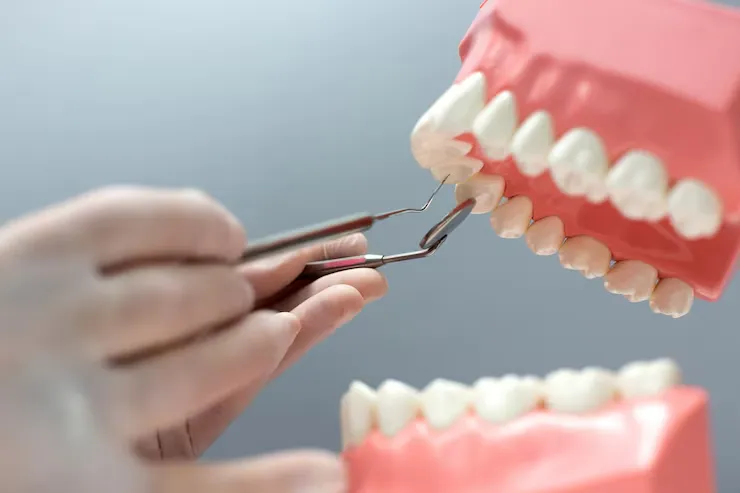
Crown lengthening increases how much of the tooth you can see above the gum line without cutting the tooth itself; instead, the gum (and sometimes bone) around it is adjusted. The gum naturally needs a small, healthy attachment zone (about 2–3 mm) above the bone to stay stable and non‑inflamed.
If the gum sits too high on the tooth, or if a crown margin needs to sit too close to the bone, this space is lost, and the area becomes chronically irritated, leading to bleeding, bone loss, and gum recession over time. By correcting the gum and, when necessary, bone level first, crown lengthening creates the proper space so the new crown or veneer can sit in a healthy, stable position long term.
Who Needs Crown Lengthening?
You may benefit from crown lengthening if you have:
- A gummy smile, where too much gum covers the upper front teeth and makes them look short.
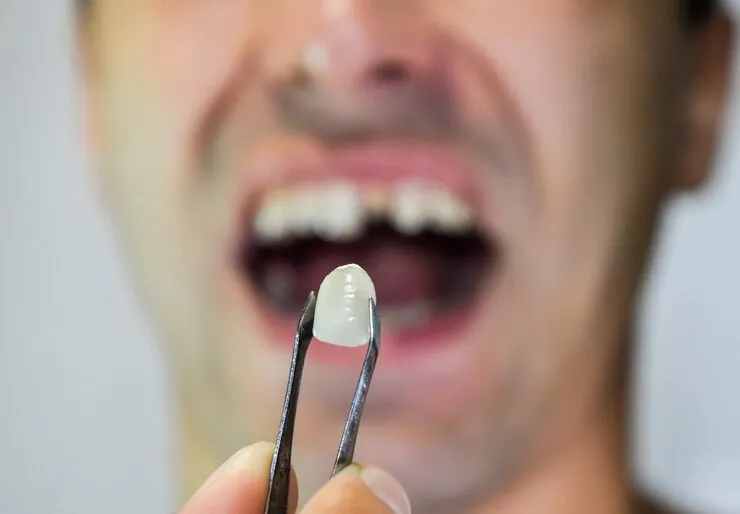
- A broken or decayed tooth that needs a crown but does not have enough tooth above the gum for a secure fit.
- An existing crown is placed too deeply, causing ongoing redness and bleeding around that tooth.
- An uneven gum line, where some teeth look longer or shorter because the gum levels do not match.
- A planned veneer or smile makeover where Digital Smile Design shows that gum‑line correction is needed to balance the smile.
The procedure – step by step

Assessment and digital planning
We measure how much tooth is hidden under the gum and where the bone sits. For gummy smile cases, the ideal new gum line is planned using Digital Smile Design (DSD), based on your face, lip line, and tooth size, so that you can see the proposed result in your own photos before treatment.

Local anaesthetic
The area is numbed fully, so the procedure itself is comfortable. Most laser-only cases require simple local infiltration; surgical (osseous) cases require a deeper block. Numbness sets in within a few minutes.

Laser or surgical tissue reshaping
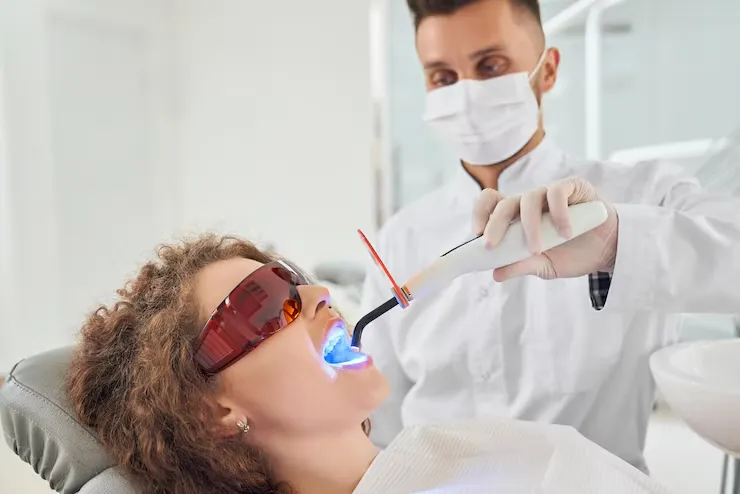
Soft tissue (laser) cases: the Fotona LightWalker Er:YAG laser precisely removes excess gum to the planned line, typically with minimal bleeding and no sutures.
Treatment time is usually 20–45 minutes.
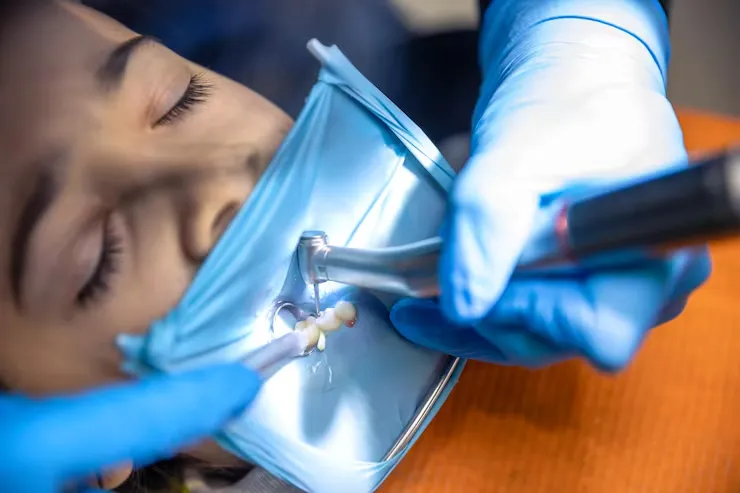
Osseous (bone) cases: a small flap is lifted, the bone is gently contoured, roots are cleaned, and the gum is sutured back in the new position. Laser decontamination is used before closing.

Crown or veneer placement
Restorations are placed only after the gum has stabilised. Laser‑only cases usually wait 6–8 weeks; osseous cases wait 8–12 weeks. Placing crowns too early risks a mismatch between the crown edge and the final healed gum line.
After laser only crown lengthening
- Mild tenderness for 24–48 hours, usually managed with ibuprofen (if suitable for you).
- Soft diet (yoghurt, soft-cooked foods, smoothies) for 2–3 days.
- Gentle warm salt‑water rinses three times daily for one week.
- No smoking, as it significantly slows healing.
- Do not brush directly on the treated gums for 5 days; rinse instead.
Most people return to normal daily activities the same or the next day.
After surgical (osseous) crown lengthening
- Moderate discomfort for 3–5 days, controlled with prescribed ibuprofen and paracetamol where appropriate.
- Swelling peaks at 48 hours and settles over 5–7 days.
- Soft diet for 1–2 weeks.
- Chlorhexidine mouthwash twice daily for 2 weeks as advised.
- Sutures removed at 7–10 days.
- Avoid heavy exercise for 3–4 days.
- Review at around 6 weeks to confirm healing and gum stability.
Recovery and aftercare

Why choose DSC for crown lengthening?
Laser and surgery are used only when indicated
Soft tissue-only cases are treated with the Fotona Er:YAG laser for precise, low-bleeding contouring and quicker healing, while bone cases are planned as full surgeries based on measurements and CBCT, not on preference or marketing.
Smile design before surgery
For gummy smiles, the ideal gum line is planned using Digital Smile Design from your own photos, then reproduced with laser or surgery so the final result matches the agreed-upon design, not a chairside guess.
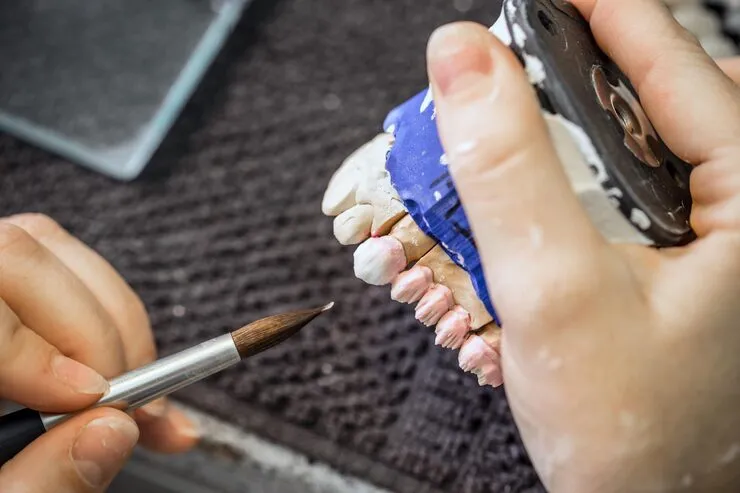
3D guided bone planning
PLANMECA ProMax CBCT shows bone and root levels in 3D, allowing the periodontist to maintain biological width while exposing the appropriate amount of tooth, reducing the risk of relapse or loss of support.

Restorative and surgical planning together
The periodontist and prosthodontist co‑plan the gum/bone changes and the final crown or veneer, so the surgical result is already matched to the future restoration for better health and aesthetics.
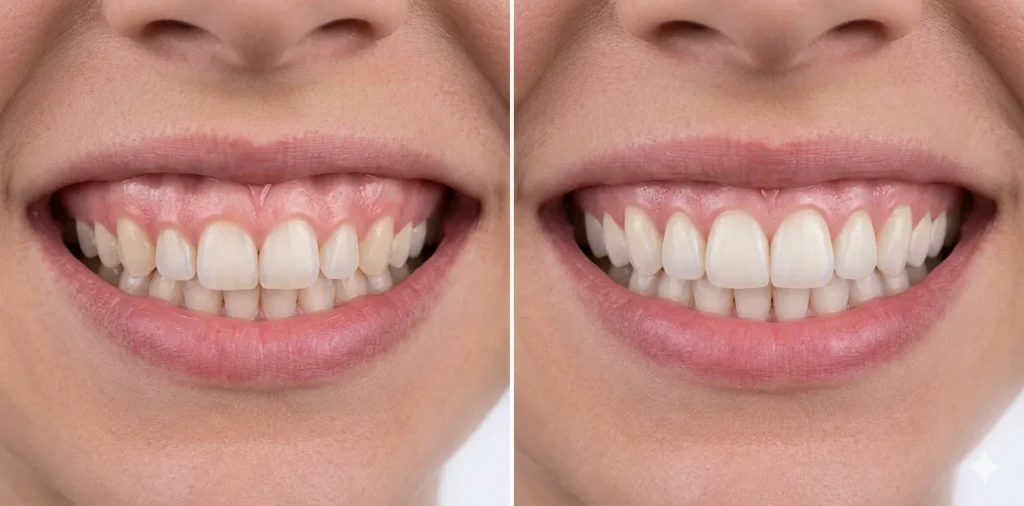
Crown Lengthening Before & After Results
Seeing real cases is often the easiest way to understand what crown lengthening can achieve. These are real clinical cases from Dental Solutions Clinic — not stock images or manufacturer-supplied photographs.
Crown Lengthening Cost in Bangalore
- Crown lengthening cost depends on whether the procedure is soft-tissue-only (laser) or osseous (surgical), as well as the number of teeth involved.
- Laser-only cases for 1–2 teeth cost ₹5,000 – ₹10,000
- Full anterior gum-line correction across 6–8 teeth is more extensive and more expensive.
- Osseous surgery, which typically requires bone adjustment, typically requires a longer procedure and incurs a higher fee.
- Your written treatment plan includes an itemised cost before treatment begins.

Frequently Asked Questions
Will the result be permanent?
Yes, in correctly planned cases. When the gum is repositioned to its biologically appropriate position and the bone is adjusted as needed, the result is stable in the long term. Recurrence occurs when the bone level is not addressed and the tissue reforms to maintain proper attachment to the bone. This is why CBCT assessment and correct surgical planning matter.
How long until I see the final result?
The new tooth length is visible immediately after laser treatment. The gum needs 6–8 weeks to fully stabilise before a crown or veneer is placed. The final cosmetic result with the restoration in place is visible at the final appointment, approximately 8–12 weeks after the laser procedure.
Is crown lengthening the same as gum contouring?
They are related but not identical. Gum contouring reshapes the gum line for aesthetic purposes. It is always a soft-tissue procedure. Crown lengthening specifically means increasing the clinical crown height, which may be for cosmetic or restorative reasons, and it may include bone surgery when the bone-to-gum distance is too small. All aesthetic crown lengthening involves gum reshaping. Not all gum reshaping requires the full crown lengthening procedure.
Does removing gum tissue weaken the tooth?
No. The tooth itself is not touched. What matters is that sufficient root remains in the bone after the procedure to support the final restoration. This is assessed at the planning stage using clinical measurement and CBCT where needed. Crown lengthening is not performed when it would compromise the crown-to-root ratio beyond a stable level.