
Gum Recession | Causes, Consequences and Treatment in Indiranagar, Bangalore
Gum recession occurs when the gum line pulls back, exposing part of the tooth root that was previously covered. The exposed root lacks the tough enamel of the crown, so it is more sensitive, wears away more easily, and is more prone to decay. Over time, a recession can make teeth look longer, make them feel sensitive to cold or touch, and increase the risk of further wear and damage if the cause is not addressed.
At Dental Solutions Clinic in Indiranagar, Bangalore, gum recession is assessed and treated by Dr. Balasubramanya K V, MDS Periodontics, LANAP Certified Practitioner, Fotona LightWalker Certified Operator, with more than 25 years of specialist experience in gum and root‑coverage surgery.
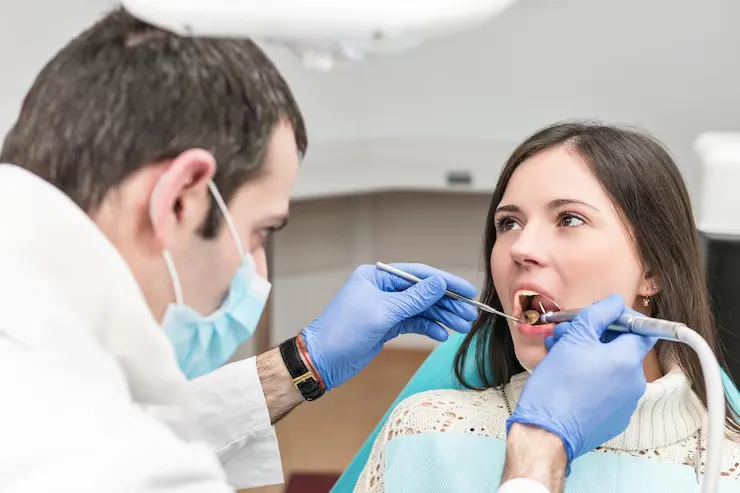
What is gum recession?
Gum recession (gingival recession) means the edge of the gum has moved downwards on the tooth, away from its ideal position near the junction of the enamel and root. Periodontists measure recession as the distance from this natural junction to the current gum margin, tooth by tooth, to understand how much root is exposed.
Recession is also graded using systems such as the Cairo classification (RT1, RT2, RT3), which assesses the extent of bone and tissue loss between the teeth. These grades help predict how much of the exposed root can realistically be covered again with graft surgery and guide the discussion about expected results.
How gum recession develops
Several factors can lead to gums shrinking back from the teeth over time:

Mechanical brushing trauma
Brushing too hard, especially with a medium or hard toothbrush and a scrubbing, side‑to‑side action, can gradually wear away the gum edge over the years. This is a common cause of recession on the front and canine teeth in adults who otherwise have very good oral hygiene.

Thin gum type (biotype)
Some people naturally have thin, delicate gum tissue, which offers less protection against brushing trauma or inflammation. This thin type recedes more easily under the same forces than thicker, more robust gums.

Gum disease (periodontitis)
In periodontitis, the bone that supports the teeth is lost due to long-standing infection and inflammation, and the gum then follows the bone level, receding. This type of recession tends to be more generalised and is often accompanied by deeper pockets and bone loss on X-rays.

Tooth position and orthodontics
Teeth that sit too far towards the lips (outside the bone housing) have very thin or missing bone over the root, which makes the overlying gum more likely to recede. Moving teeth too far forward with braces in patients with thin gums can also trigger gum recession if not carefully planned with imaging.

Trauma from piercings or habits
Tongue or lip piercings that regularly rub against the gums, especially behind the lower front teeth, can cause localised recession at the contact points over time.
Once the root is exposed, it is more vulnerable to sensitivity, wedge‑shaped notches at the gum line (abrasion), and decay, especially if the brushing technique is not corrected.

You should book a gum evaluation if you notice:
- A tooth starting to look longer than before
- A visible line or notch at the gum margin
- New or worsening sensitivity to cold, touch, or brushing at the neck of the tooth
- A visible root surface (usually yellower and duller than the enamel crown)
- Gum edges creeping back over months or years
Early assessment can prevent further root exposure and, where surgery is appropriate, often allows more complete root coverage than if treatment is delayed.
How we assess gum recession at Dental Solutions Clinic
At DSC, gum recession is assessed in a structured way:

Measuring recession
We measure the distance from the natural enamel–root junction to the current gum edge at each affected tooth to record a baseline and plan treatment.

Cairo classification (RT1–RT3)
We check how much support is lost between the teeth, which strongly influences how predictable root‑coverage surgery will be.

Gum thickness (biotype)
We assess how thick or thin the gum tissue is, which helps decide whether a connective tissue graft or another graft approach is most suitable.

Width of firm attached gum
We measure the band of firm, pink, attached gum; where this is very narrow, grafting may be advised to strengthen and stabilise the area.

X‑ray assessment
A small periapical X‑ray checks the bone level and any bone loss between the teeth next to the recession.
Identifying causes
We review brushing technique, toothbrush type, signs of abrasion, biting forces (such as grinding), piercings, and overall gum health to address the underlying reasons.
Treatment options for gum recession

Brushing and habit correction
When a recession is caused or worsened by brushing too hard, the first and most important step is to correct the technique. We usually recommend a soft-bristle or electric toothbrush with a pressure sensor and show you a gentler method that cleans effectively without scrubbing. Once the trauma is removed, many areas of recession stabilise and no longer worsen.

Composite covering of small exposed roots
For small, localised areas of recession, tooth‑coloured composite resin can be bonded over the exposed root to reduce sensitivity and improve appearance. This does not move the gum line, but it protects the root from further wear and decay and can often be done in a single visit.

Connective tissue graft (subepithelial graft)
A connective tissue graft is considered the most predictable surgical method for covering exposed roots in many cases. A thin layer of tissue is taken, usually from the palate, and placed over the exposed root under a flap of gum that is moved into a better position. This thickens the gum and advances it over the root. Long‑term studies show high average percentages of root coverage and a strong track record of success when carefully planned.

Free gingival graft (to increase attached gum)
When the main problem is very thin or minimal attached gum rather than cosmetic root coverage, a free gingival graft from the palate can be used to widen and strengthen the band of firm gum around the tooth or implant. This makes the area more resistant to future recession.

Tunnel technique with graft or collagen matrix
For a recession affecting several teeth in a row, a “tunnel” or “envelope” approach allows the gum over multiple teeth to be loosened and slid upwards without cutting between each tooth. A connective tissue graft or a specially designed collagen matrix is placed within the tunnel to support and thicken the gums, improving coverage across several teeth in a single procedure.
Frequently Asked Questions
What are the first signs of gum recession?
Early signs include teeth that look longer than before, visible root surfaces near the gum line, notches or grooves at the neck of the tooth, and new sensitivity to cold or touch.
Is gum recession always caused by poor brushing?
No. Brushing too hard is a common cause, but recession can also result from gum disease, naturally thin gums, misaligned teeth, grinding, smoking, or tongue and lip piercings that rub on the gums.
Do receded gums grow back on their own?
Gums that have receded do not grow back naturally. Non-surgical care can stop recession from worsening, but moving the gum line back over the root usually requires grafting or other surgical procedures.
When does gum recession need treatment?
Recession should be addressed when you have root sensitivity, cavities on the exposed root, thin or fragile gum tissue, difficulty cleaning the area, or cosmetic concerns about a “long tooth” look. Our Dentist will also consider bone support and overall gum health before recommending treatment.
Can gum grafting help with sensitivity and appearance?
Yes. Covering exposed roots with a graft can reduce tooth sensitivity, protect roots from further wear and decay, and create a more even, natural‑looking gum line. Many patients report both functional and cosmetic improvement once healing is complete.
Is gum graft surgery very painful?
The procedure is done under local anaesthetic, so you should not feel pain during treatment. Mild soreness or swelling for about 1–2 weeks is common but usually manageable with pain relief, a soft diet, and following your dentist’s after‑care instructions.
Can several teeth with recession be treated in one visit?
Often yes. When several neighbouring teeth are affected, techniques such as the tunnel or pouch-and-tunnel approach allow grafting over multiple roots in a single session. Our periodontist will plan whether all areas can be treated together or in stages based on your specific case.
What can I do at home to prevent gums from receding further?
Use a soft toothbrush, avoid scrubbing, brush twice a day, clean between your teeth daily, and see your dentist regularly for checks and cleaning. Quitting smoking, treating any gum disease, and removing traumatic piercings also help protect against further recession.