
Is Invisible Orthodontics Painful? What to Expect During Treatment
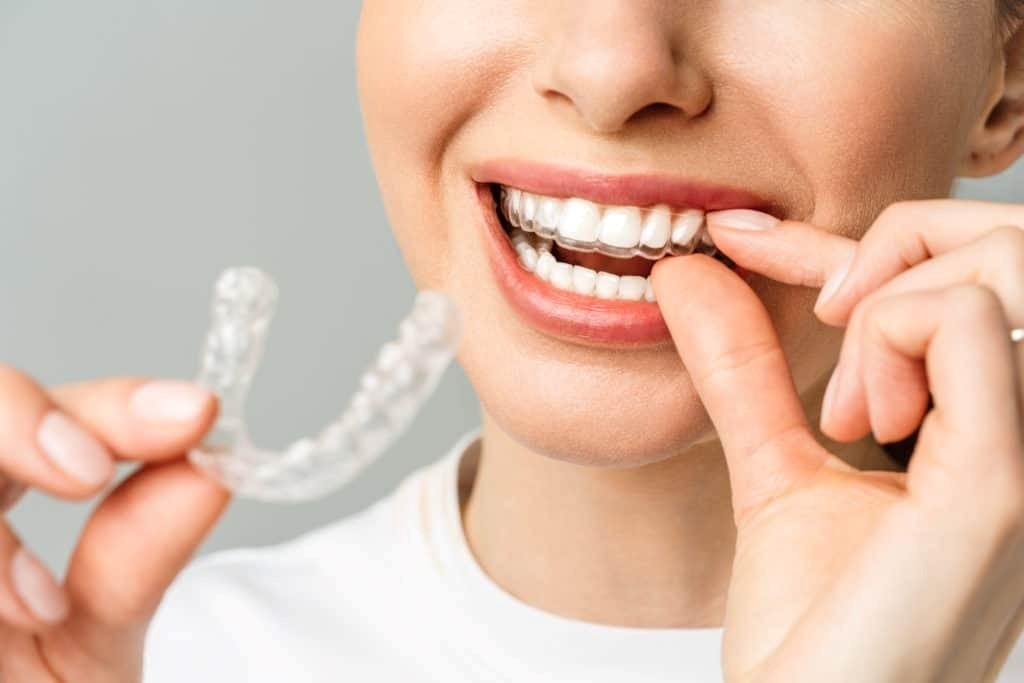
Invisible orthodontics—commonly known as clear aligners—have become one of the most popular choices for straightening teeth discreetly. But if you’re considering this treatment, you might be wondering: Does it hurt? Let’s break down what you can expect in terms of comfort, pain, and overall experience during the course of treatment.
Understanding How Invisible Aligners Work
custom-made trays. These trays are replaced every 1–2 weeks to continue the movement of your teeth, making progress gentle but continuous.
Since aligners are non-invasive and removable, the treatment is considered much more comfortable than traditional braces. However, some pressure or mild discomfort is completely normal—especially during the first few days of a new aligner set.
Is There Pain Involved?
The short answer: Yes, but it’s usually mild and temporary.
Most patients describe the sensation not as pain, but as tightness or pressure. This feeling is a sign that the aligners are working—moving your teeth little by little.
You might experience:
- Soreness when switching to a new set of aligners
- Mild pressure for the first 24–72 hours
- Slight irritation on the tongue or gums (early in treatment)
Over-the-counter pain relief or using cold compresses can help manage early discomfort.
Tips for a Comfortable Experience
- Follow your wear schedule (typically 20–22 hours/day)
- Switch to new trays before bed to sleep through early pressure
- Stay hydrated and avoid very hard or sticky foods
- Use dental wax if you feel any sharp edges early on
- Keep aligners clean to prevent irritation and maintain hygiene
With time, your mouth adjusts—and most people find aligners very easy to live with.
Benefits Beyond Comfort
While there may be some initial discomfort, the benefits often outweigh it:
- Nearly invisible appearance
- No food restrictions (just remove to eat)
- Easier to maintain oral hygiene
- Fewer in-clinic visits compared to braces
FAQs
Q1: How long does the discomfort last after switching aligners?
Usually 1 to 3 days. The tight feeling fades as your teeth adjust to the new tray.
Q2: Can I take painkillers for aligner discomfort?
Yes, over-the-counter pain relief like ibuprofen can help during the initial adjustment period.
Q3: Do invisible aligners damage gums or cheeks?
No. They’re designed to fit snugly, but some people may need a brief adjustment period. Dental wax can help.
Q4: Will every new tray hurt the same?
Most patients say discomfort decreases over time as their teeth adapt to the process.
Q5: Is invisible orthodontics safe for teens?
Yes, many aligner systems are specially designed for teenagers with growing mouths and changing teeth.
Invisible orthodontics may come with a little discomfort—but nothing like the poking wires and metal of traditional braces. With a bit of patience and care, it’s a smooth path to a straighter, healthier smile.